
AI won’t replace thinkers.
But it will replace people who stop thinking.
2/12/20261 min read
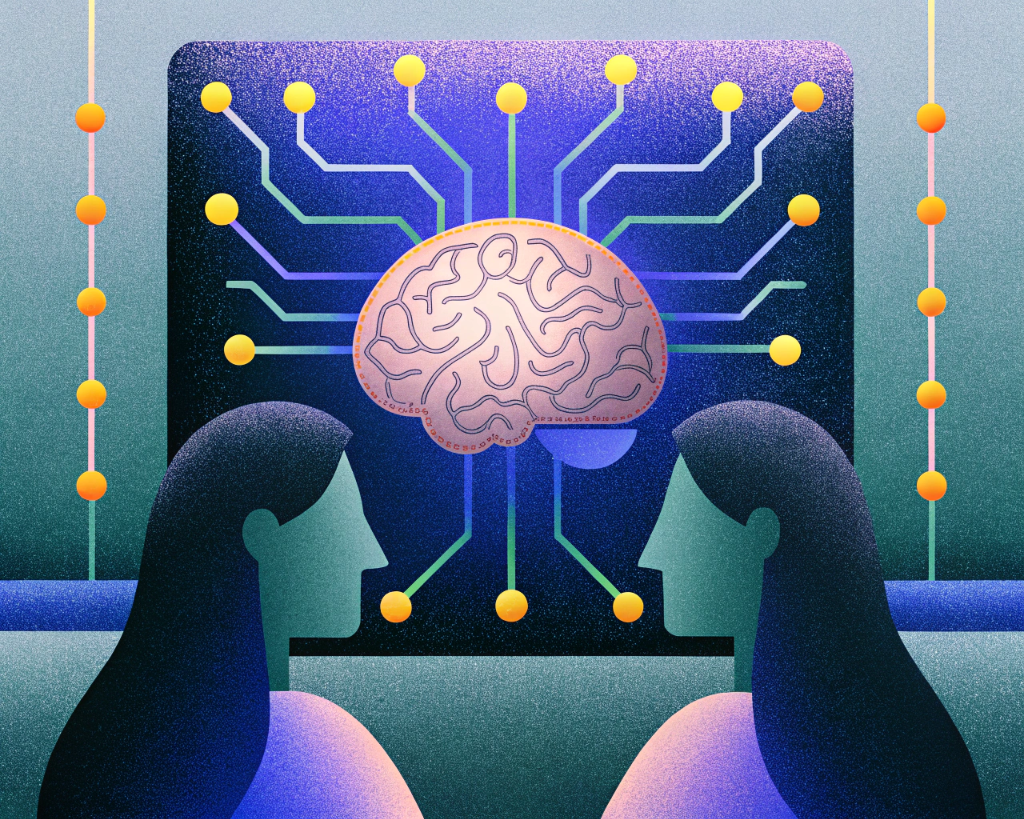

AI works best when it’s trained, guided, and challenged—by humans.
Done right, it doesn’t replace judgment. It strengthens it.
Most people are using AI in one of three modes:
1) The Delegator
Prompt → Accept → Publish
Fast. Efficient. Minimal friction.
Also minimal judgment.
2) The Reviewer
Prompt → Edit → Approve
Better. Some thinking.
Still mostly reactive.
3) The Co-Thinker
Prompt → Challenge → Reframe → Stress-test
Now it gets interesting.
The difference isn’t the tool.
It’s your posture.
We’re not facing an “AI replacement” problem.
We’re facing a thinking discipline problem.
If you operate as a delegator, you’re training yourself to outsource judgment.
If you operate as a co-thinker, you’re EXPANDING YOUR COGNITIVE RANGE.
And that’s where leverage lives.
Most AI usage sits at the lowest leverage layer:
Formatting • Drafts • Summaries
Useful? Yes.
Transformational? Not really.
Higher leverage looks like:
· Exploring scenarios
· Pressure-testing assumptions
· Asking “what would make this fail?”
· Reframing the real problem
Delegation optimizes for output.
Partnership optimizes for COGNITION.
One makes you faster.
The other makes you better.
And over time: BETTER COMPOUND. FASTER PLATEAUS.
Which approach are you aiming for right now?
I now force one rule: every AI output must include (1) the top assumption, (2) the top risk, (3) the next test.
#AugmentedIntelligence #CognitiveAugmentation #CriticalThinking #HumanInTheLoop #FutureOfWork
Contact
bruno.gentil@sherpaconsultingasia.com
© 2026. All rights reserved.