
𝐀𝐮𝐭𝐨𝐦𝐚𝐭𝐢𝐨𝐧 𝐨𝐫 𝐒𝐮𝐛𝐣𝐮𝐠𝐚𝐭𝐢𝐨𝐧?
4/28/20262 min read
The FTSG Convergence Outlook 2026 makes a claim worth sitting with:
“The organizations that succeed will not be those that automate fastest. They will be those that automate most strategically.”
Many CEOs ask the wrong question.
Not: What should we automate, and why?
But: How fast can we automate?
Speed feels like the only variable that matters.
It is not.
In May 2025, Builder.ai, a software development automation company, entered insolvency proceedings after revenue restatements and creditor action. For customers that had built critical workflows on its platform, the lesson was brutal: when your operating model depends on a foundation you do not control, vendor failure becomes your failure.
That is the hidden cost of automating without architectural discipline.
Not an argument against vendors. But an argument against making a vendor’s survival, roadmap, pricing power, and technical constraints the foundation of your operating model.
When business-critical automations depend too heavily on one platform, one model, one API, or one proprietary workflow, the risk compounds. Price changes, service restrictions, degraded support, model changes, or a sudden shutdown can interrupt operations faster than any board risk register anticipated.
Amazon took a different path.
Starting with the Kiva acquisition in 2012, Amazon spent more than a decade building robotics into the core of its fulfillment system. It now owns and operates more than one million robots across its operations network.
But the real advantage is not the robots.
It is the learning loop.
Amazon can learn from machines, facilities, workflows, software, and employees simultaneously, then convert that feedback into an infrastructure moat competitors cannot easily replicate.
The contrast is architectural, not technological.
Strategic automation asks three questions that fast automation ignores:
Who owns the productive system?
Not just the asset. The data, workflow logic, software layer, maintenance model, learning loop, and switching path. You or your vendor?
What cost structure are you locking in?
Not just wages versus machines. Integration, retraining, cybersecurity, downtime, vendor concentration, and the transition period where you pay for both humans and machines. Are you factoring the TCO?
What remains distinctive about how you compete?
When execution becomes machine-standardized across an industry, differentiation moves to trust, proprietary data, customer relationships, organizational design, and speed of learning.
Competitive advantage erodes when rivals can adopt new models freely while your locked-in architecture cannot adapt.
You did not automate to fall behind.
But that is what happens when speed replaces strategy.
The question is not when you automate.
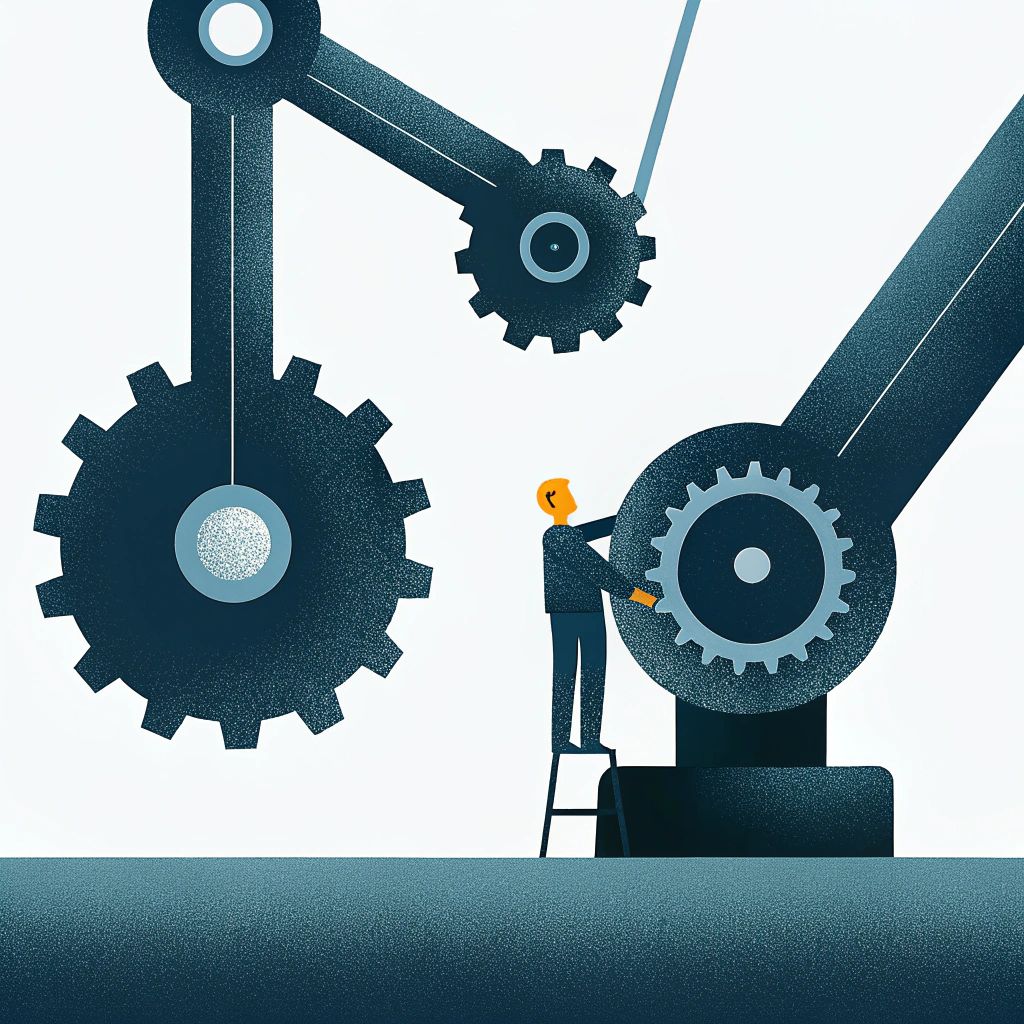
It is whether, when the dust settles, you own the machine…or the machine owns you.
#Automation #AIStrategy #OwnYourMoat #Independence
Contact
bruno.gentil@sherpaconsultingasia.com
© 2026. All rights reserved.