
Change No Longer Arrives in a Straight Line
4/11/20261 min read
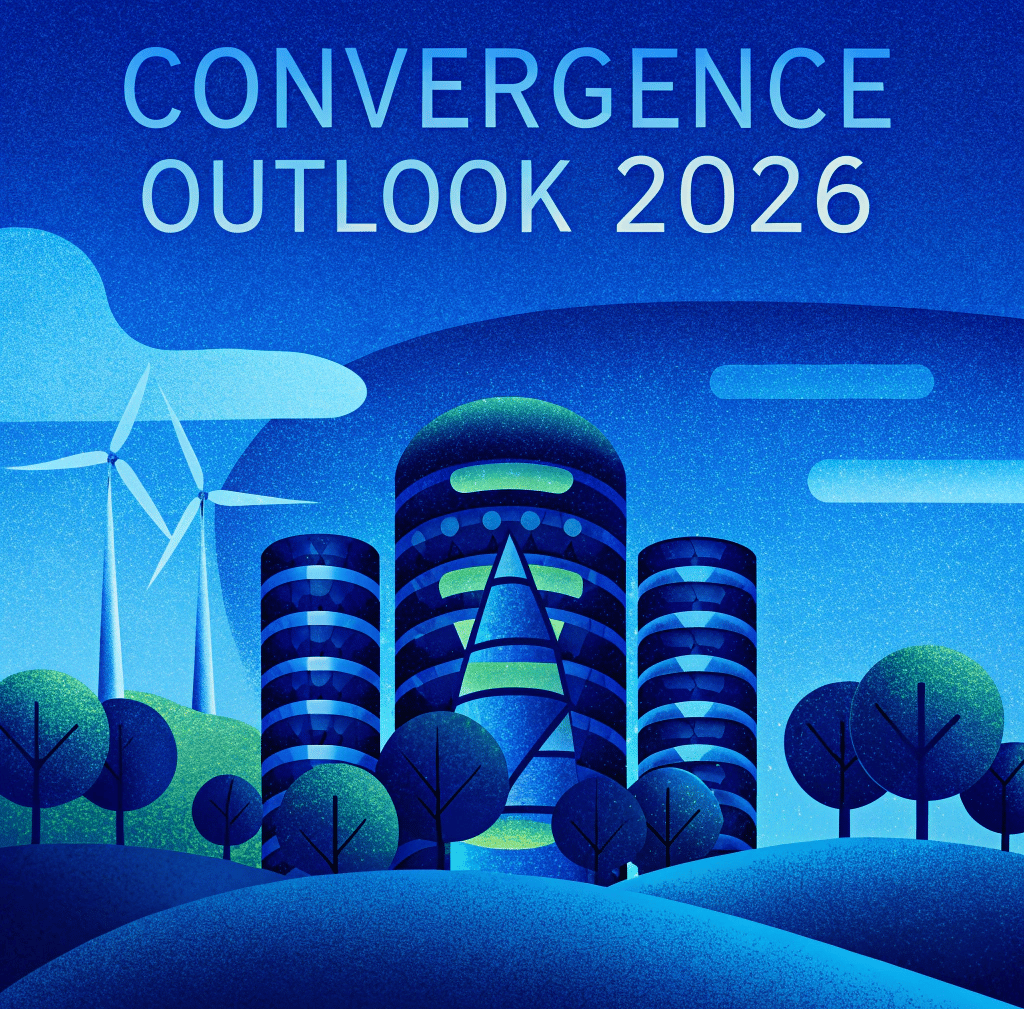
The Future Today Strategy Group just published something worth reflecting on this weekend.
Their Convergence Outlook 2026 makes one convincing argument: we've entered an era where technological progress, geopolitical fractures, demographic shifts, and climate pressures no longer move on parallel tracks.
They collide. They amplify each other. The impact isn't the sum of the parts, it's something new entirely.
It’s not the first time.
The Industrial Revolution wasn't steam power. It was steam plus mechanized production plus falling transport costs plus new capital markets, all at once. The internet boom wasn't just the web. It was PCs plus telecom deregulation plus venture capital plus shifting consumer behavior, arriving together.
The leaders who got it wrong usually didn't miss single trends. They missed the collision.
That's the environment we're facing again now, and with a compressed timeline.
Most strategy work still runs on a linear logic: monitor trends, anticipate change, adapt. But when forces intersect and reinforce each other, the change doesn't announce itself clearly. It accumulates quietly then reorganizes everything suddenly.
The report asks a key question:
Are you building strategy around forces? Or around convergences?
There's a fundamental difference. A force, you can track. A convergence, you have to imagine, before the evidence is conclusive, when it still looks like coincidence.
That's the harder discipline. And in 2026, it may be the one that matters most.
What confluence of forces is quietly reshaping your industry right now?
https://lnkd.in/g-gzqJHj
#Disruption #Trends2026 #Strategy #Leadership #Convergence
Contact
bruno.gentil@sherpaconsultingasia.com
© 2026. All rights reserved.