
𝐉𝐮𝐝𝐠𝐦𝐞𝐧𝐭 𝐃𝐞𝐛𝐭
7/3/20261 min read
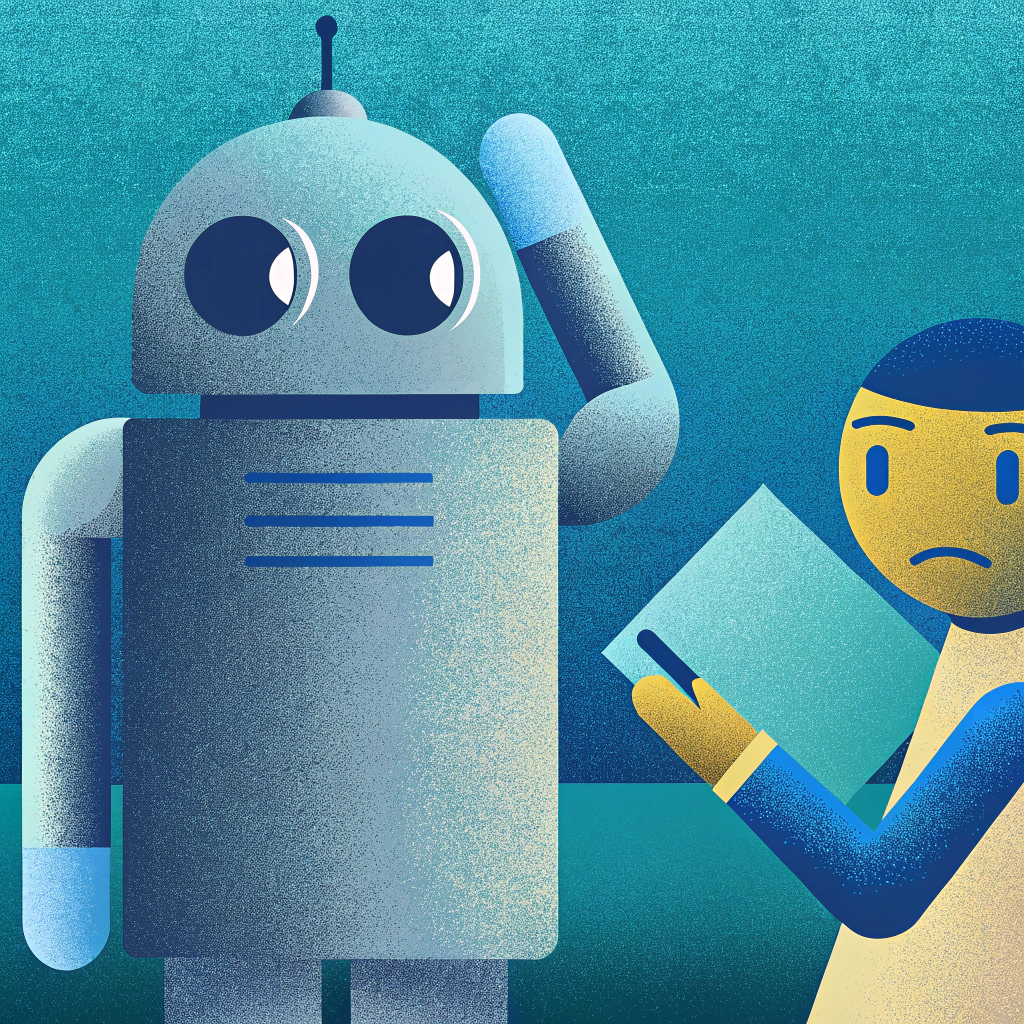
She built AI agents that made her three times more productive. Then she read a draft one of them wrote, in her voice, down to her tics, and couldn't find the seam between hers and the machine's.
That's Maria Colacurcio, CEO of Syndio, in a Fortune essay this month (link in comments). Her daughter Sofia, finishing her first year at Dartmouth, wrote the companion piece about AI impact at school and beyond. Her point: struggle is where competence gets built. AI is removing the friction, and with it, the reason to think.
Colacurcio named the deeper problem herself: "the urge to accept the good-enough answer" and skip the part where she'd normally check the work. She called it complacency. It's really a trust problem: deciding, often without noticing, how much to believe what comes back, especially when it sounds like you. And competition breathing down your neck makes the need for speed feel even more urgent.
Two generations, same warning, from opposite ends.
Researchers at Wharton independently found the same reflex, with numbers attached. Shown a wrong AI answer, people accepted it 80% of the time, and felt more confident, not less. (Shaw & Nave, 2026). It’s 𝐣𝐮𝐝𝐠𝐦𝐞𝐧𝐭 𝐝𝐞𝐛𝐭, accumulating.
The danger isn’t the tool. It’s that 𝐜𝐚𝐩𝐚𝐛𝐢𝐥𝐢𝐭𝐲 𝐢𝐬 𝐜𝐨𝐦𝐩𝐨𝐮𝐧𝐝𝐢𝐧𝐠 𝐟𝐚𝐬𝐭𝐞𝐫 𝐭𝐡𝐚𝐧 𝐣𝐮𝐝𝐠𝐦𝐞𝐧𝐭. And judgment only strengthens through use. Without deliberate discipline, and structures that demand human thinking, our judgment muscle will quietly atrophy.
Here's the test I'd apply before an important AI-assisted decision, at work or at your kid's study table: could you have caught it if it were wrong?
If the honest answer is no, you already know what needs to change.
#MinimumViableCitizens #ArtificialIntelligence #CriticalThinking #JudgmentDebt
Contact
bruno.gentil@sherpaconsultingasia.com
© 2026. All rights reserved.