
𝐍𝐨𝐛𝐨𝐝𝐲 𝐂𝐨𝐦𝐦𝐢𝐭𝐬 𝐓𝐨 𝐀𝐝𝐯𝐢𝐜𝐞 𝐓𝐡𝐚𝐭 𝐂𝐨𝐬𝐭 𝐓𝐡𝐞𝐦 𝐍𝐨𝐭𝐡𝐢𝐧𝐠
7/25/20262 min read
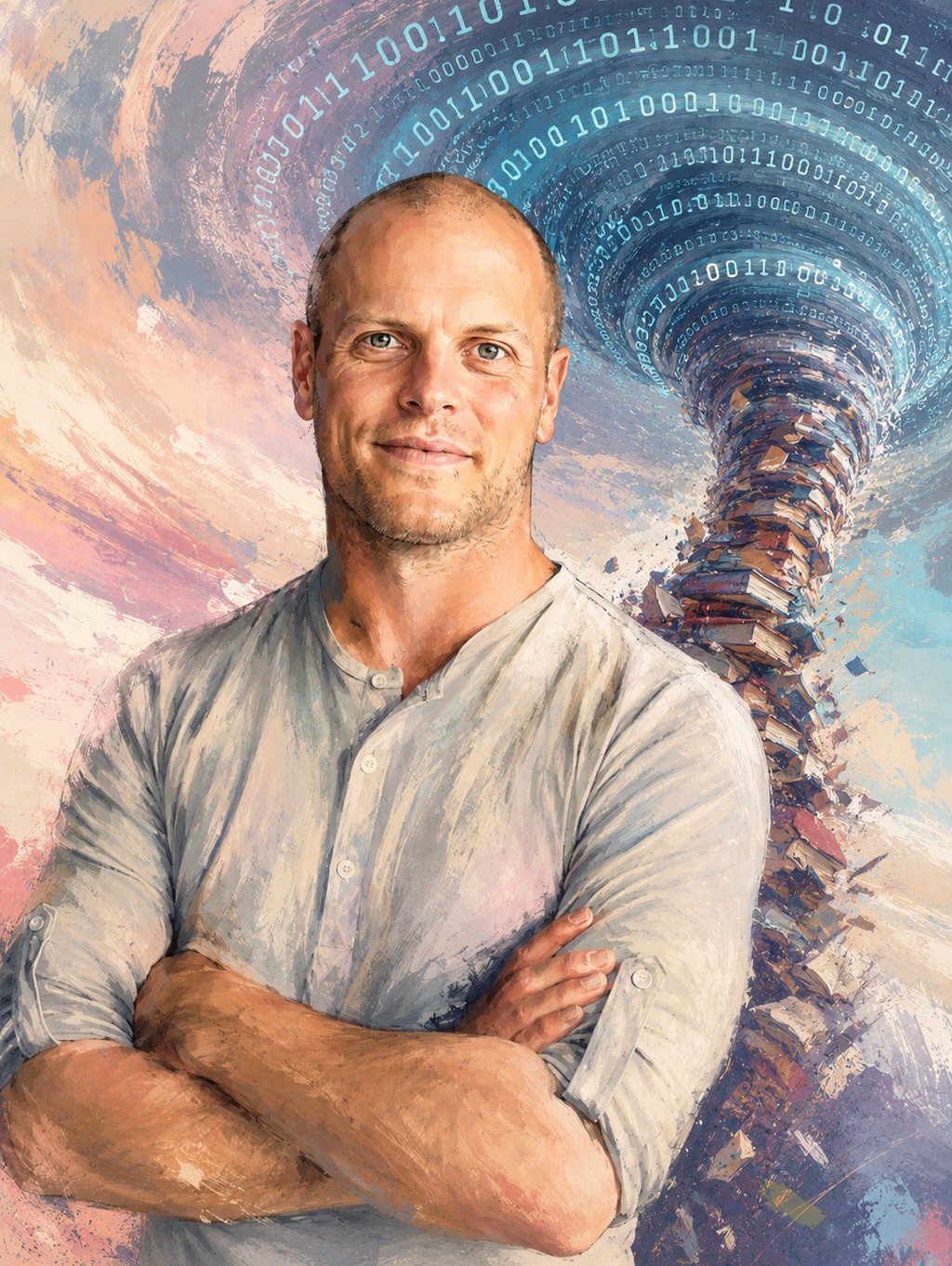
Tim Ferriss just published his own business autopsy.
Five books, all long time number one bestsellers. Down roughly 46% in 2025, tracking another 57% this year. Around 80% below where he was in 2022. He points at one cause, and it is AI.
His conclusion: how-to is dead, and podcasts, courses and newsletters are next.
He is mostly right. But he also points to an intriguing finding.
Years ago, friends too busy for his 608-page book asked for the bullet points instead. Some were pre-diabetic. One was getting married. Real reasons to act.
He sent the bullets. Precisely zero of them did anything.
Meanwhile thousands of readers who walked the whole designed path lost more than a hundred pounds after failing every diet before it.
Same information. Same author. Opposite outcome.
That gap is the test for your own sector.
Customers hire you for one of three things:
1. 𝙂𝙞𝙫𝙚 𝙢𝙚 𝙩𝙝𝙚 𝙖𝙣𝙨𝙬𝙚𝙧. Displaced. Already gone, in fact.
2. 𝙂𝙚𝙩 𝙢𝙚 𝙩𝙤 𝙖𝙘𝙩𝙪𝙖𝙡𝙡𝙮 𝙘𝙝𝙖𝙣𝙜𝙚 𝙗𝙚𝙝𝙖𝙫𝙞𝙤𝙧. Not displaced.
3. 𝘾𝙖𝙧𝙧𝙮 𝙩𝙝𝙚 𝙧𝙞𝙨𝙠 𝙞𝙛 𝙩𝙝𝙚 𝙖𝙣𝙨𝙬𝙚𝙧 𝙞𝙨 𝙬𝙧𝙤𝙣𝙜. Not displaced. A model can produce the recommendation. It cannot be accountable for it.
Run every revenue line through those three. Whatever sits in bucket one is on a clock.
Now getting back to Tim’s finding.
Those bullet points were free, instant and personalised, from the most credible source those people knew. Free and effortless is precisely why they failed. Few commit to something that cost them nothing.
The 608 pages, the twenty-eight dollars, the three weeks of effort were not the packaging around the advice. They were 𝙩𝙝𝙚 𝙖𝙘𝙩𝙞𝙫𝙚 𝙞𝙣𝙜𝙧𝙚𝙙𝙞𝙚𝙣𝙩𝙨.
So when your information goes free because of AI, the instinct is to compete on price and convenience. That is the exact axis you just lost. What survives inside a displaced sector gets more expensive, scarcer and harder to obtain, not less.
Which sounds like the usual advice to go premium. It is not, and the difference decides who makes it.
Retreating upmarket means selling the same thing to the shrinking group who still want it. The price rises and the volume falls. Clayton Christensen documented that as the signature move of a business on the way out.
Repositioning means 𝙩𝙝𝙚 𝙙𝙞𝙛𝙛𝙞𝙘𝙪𝙡𝙩𝙮 𝙖𝙣𝙙 𝙩𝙝𝙚 𝙘𝙤𝙨𝙩 𝙗𝙚𝙘𝙤𝙢𝙚 𝙩𝙝𝙚 𝙥𝙧𝙤𝙙𝙪𝙘𝙩. The price rises because the difficulty is what makes it work.
Same direction on the price tag. Opposite business.
Ferriss says he would rather write for 10,000 people who are genuinely changed than 10 million who forget. That only holds if the 10,000 are paying for the difficulty and not merely for the loyalty.
Millions of people now have a competent plan and no capability to execute it. That is not a shrinking market. That is a market up for grabs.
Are you ready for the challenge?
#Strategy #AIDisruption #BusinessModel #Pricing #TimFerriss
Contact
bruno.gentil@sherpaconsultingasia.com
© 2026. All rights reserved.