
𝐓𝐡𝐞 𝐀𝐥𝐠𝐨𝐫𝐢𝐭𝐡𝐦 𝐈𝐬 𝐘𝐨𝐮𝐫 𝐍𝐞𝐰 𝐁𝐨𝐬𝐬
4/29/20262 min read
You have never met your manager. You never will.
They work 24 hours a day, never sleep, and may already be deciding whether you keep your job.
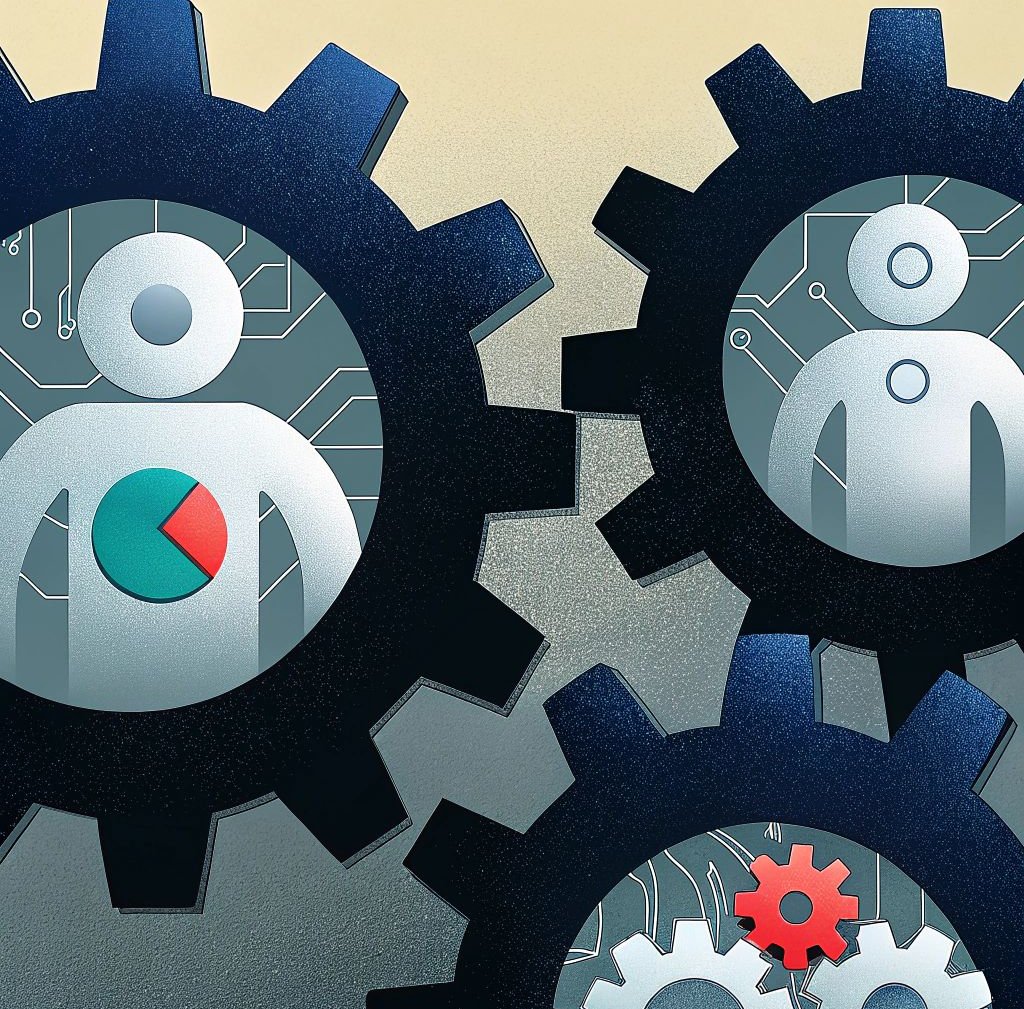
For millions of workers, this is not science fiction. It is the daily reality of 𝐚𝐥𝐠𝐨𝐫𝐢𝐭𝐡𝐦𝐢𝐜 𝐦𝐚𝐧𝐚𝐠𝐞𝐦𝐞𝐧𝐭.
Amazon warehouse workers have been tracked against productivity targets by systems that can generate warnings and termination notices. Gig workers can lose access to income after ratings, complaints, or automated flags they struggle to understand or appeal. In some cases, the process feels less like management and more like a verdict from a machine: little context, little explanation, little meaningful recourse.
Think it’s a blue-collar problem ? Think again.
The same mechanism is now moving into white-collar work: AI-assisted performance scoring, automated task allocation, productivity monitoring, workforce analytics, and model-driven evaluation.
The issue is not automation.
The issue is 𝐚𝐮𝐭𝐨𝐦𝐚𝐭𝐢𝐨𝐧 𝐰𝐢𝐭𝐡𝐨𝐮𝐭 𝐫𝐞𝐜𝐨𝐮𝐫𝐬𝐞.
That distinction matters because employees do not simply accept systems that judge them without hearing them. They adapt, disengage, resist, or organize. When people feel 𝐫𝐞𝐝𝐮𝐜𝐞𝐝 𝐭𝐨 𝐚 𝐬𝐜𝐨𝐫𝐞 by a system that cannot see context, trust starts to break.
And 𝐭𝐫𝐮𝐬𝐭 𝐢𝐬 𝐧𝐨𝐭 𝐚 𝐬𝐨𝐟𝐭 𝐦𝐞𝐭𝐫𝐢𝐜.
Engagement, discretionary effort, institutional loyalty, and change readiness all depend on a basic premise: this organization sees me as a person, not just as an input.
The warning signs are already visible. Half of U.S. adults say they are more concerned than excited about the increased use of AI in daily life. The anxiety is not just about job loss. It is about 𝐜𝐨𝐧𝐭𝐫𝐨𝐥, 𝐟𝐚𝐢𝐫𝐧𝐞𝐬𝐬, 𝐚𝐧𝐝 𝐰𝐡𝐞𝐭𝐡𝐞𝐫 𝐡𝐮𝐦𝐚𝐧 𝐣𝐮𝐝𝐠𝐦𝐞𝐧𝐭 𝐬𝐭𝐢𝐥𝐥 𝐦𝐚𝐭𝐭𝐞𝐫𝐬. Gallup found that global employee engagement has dropped to its lowest level since 2020, costing the global economy $10 trillion annually.
Companies that navigate this well will not be the ones that avoid automation.
They will be the ones that 𝐝𝐞𝐬𝐢𝐠𝐧 𝐢𝐭 𝐰𝐢𝐭𝐡 𝐡𝐮𝐦𝐚𝐧 𝐚𝐫𝐜𝐡𝐢𝐭𝐞𝐜𝐭𝐮𝐫𝐞:
- Human review before livelihood-changing decisions;
- Clear explanations when systems flag performance;
- Appeal paths that are fast, affordable, and real;
- Managers accountable for judgment, not hidden behind dashboards;
- Governance that treats dignity as an operating requirement, not a communications slogan.
The efficiency gains from algorithmic management are real.
So is the cost of getting it wrong.
The question is no longer, “Does the algorithm perform?” It is whether the humans it manages still feel they belong to something worth working for.
#Leadership #FutureOfWork #EthicalAI #OrganizationalDesign #HR
Contact
bruno.gentil@sherpaconsultingasia.com
© 2026. All rights reserved.