
𝐓𝐡𝐢𝐬 𝐬𝐩𝐫𝐢𝐧𝐠, 𝐜𝐨𝐦𝐦𝐞𝐧𝐜𝐞𝐦𝐞𝐧𝐭 𝐬𝐩𝐞𝐚𝐤𝐞𝐫𝐬 𝐰𝐡𝐨 𝐩𝐫𝐚𝐢𝐬𝐞𝐝 𝐀𝐈 𝐠𝐨𝐭 𝐛𝐨𝐨𝐞𝐝.
Blog post description.
5/28/20261 min read
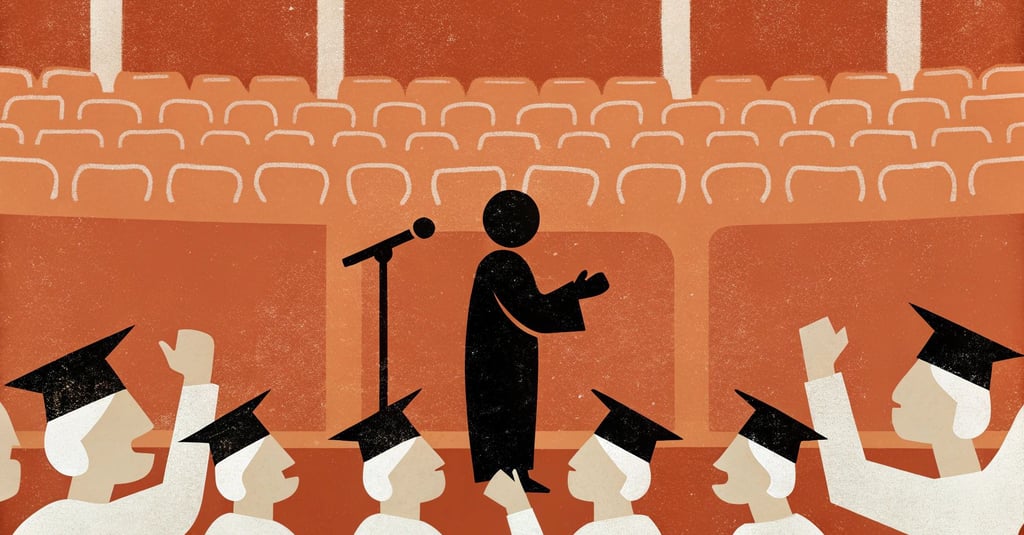
Eric Schmidt, former Google CEO, was booed multiple times at the University of Arizona. He wasn't the first. He wasn't the last.
Easy to dismiss as drama. Worth pausing on instead.
Young graduates now have higher unemployment than people without degrees. That's 2026. The entry point to white-collar careers is quietly narrowing, and the people sitting in those seats feel it.
Kenneth Arrow, a Nobel economist, showed sixty years ago that you only learn by doing. Not watching. Not in a classroom. During the work itself.
Entry-level jobs were never just cheap labor. They were the curriculum. The place where judgment compounds, one repetitive task at a time.
The Federal Reserve Bank of Atlanta published a paper last week connecting Arrow's 1962 insight to today's automation wave. Their conclusion: firms eliminating junior roles aren't just cutting costs. They're slowly hollowing out their own future talent pool.
The experience doesn't move somewhere else. It disappears.
Those boos weren't really about AI. They were about a generation watching the on-ramp close, and being told to get excited about it.
The economy runs on accumulated experience. When you stop building it at the base, you're not saving money. You're spending the principal.
#FutureOfWork #AIAndJobs #LearningByDoing #LeadershipDevelopment #GenerationAI
Contact
bruno.gentil@sherpaconsultingasia.com
© 2026. All rights reserved.