
𝐖𝐡𝐚𝐭'𝐬 𝐘𝐨𝐮𝐫 𝐑𝐞𝐬𝐢𝐝𝐞𝐧𝐜𝐲 𝐏𝐫𝐨𝐠𝐫𝐚𝐦?
Preserving Learning When AI Takes Over Junior Tasks
4/27/20262 min read
JPMorgan is reportedly considering reducing its junior banker-to-manager ratio from 6:1 to 4:1. Goldman Sachs deployed its AI assistant across 46,500 knowledge workers. Pitchbooks that once took days can now be drafted in minutes.
The ROI case is seductive. Why pay a junior analyst $200,000 in total compensation to build first drafts, comps, and models when AI can produce much of that work at a fraction of the cost?
But there question too few firms are answering clearly: 𝐰𝐡𝐚𝐭 𝐫𝐞𝐩𝐥𝐚𝐜𝐞𝐬 𝐭𝐡𝐞 𝐥𝐞𝐚𝐫𝐧𝐢𝐧𝐠 that used to live inside that work?
Junior roles were never just about output. They were 𝐚𝐩𝐩𝐫𝐞𝐧𝐭𝐢𝐜𝐞𝐬𝐡𝐢𝐩 systems, the process through which employees built and honed their judgment. The analyst who built a hundred models did not just produce a hundred models. They learned to spot hidden assumptions, buried structural weaknesses and the difference between a model that is technically correct and a recommendation that is strategically wrong.
That learning happened through repetition, under pressure, with a senior watching.
When AI absorbs the work, the output remains. But unless the learning loop is rebuilt, the judgment capital weakens.
Some professional-services firms are starting to treat this seriously, using simulations, AI role-play, mock negotiations, deposition practice, and supervised review environments so junior employees still accumulate deliberate practice even as AI handles more research, drafting, and analysis.
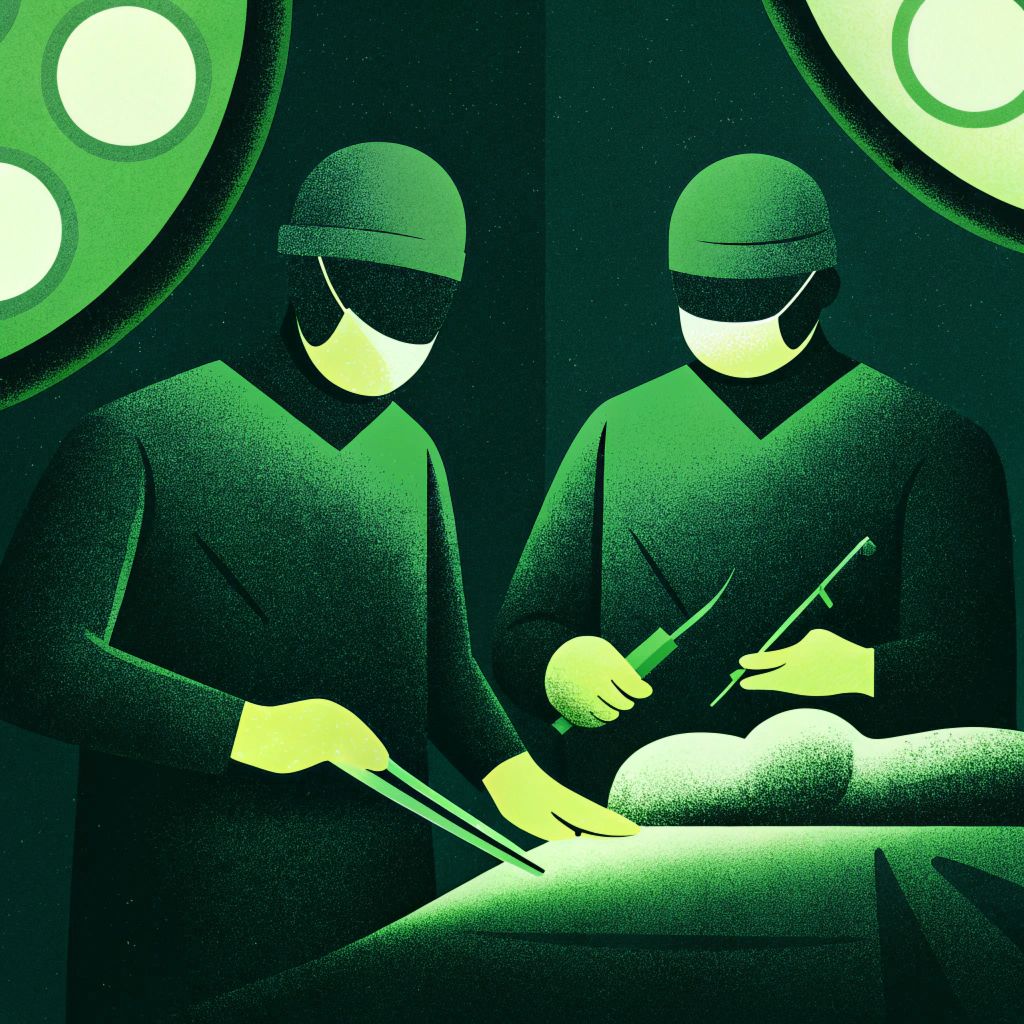
The logic is the same as 𝐦𝐞𝐝𝐢𝐜𝐚𝐥 𝐫𝐞𝐬𝐢𝐝𝐞𝐧𝐜𝐲. You do not become a surgeon by reading surgical manuals. You build judgment by doing the work, making mistakes, experiencing consequences, and being corrected under supervision.
That is often the missing conversation in AI transformation. Most firms are buying subscriptions and calling it training. But tool access is not capability building.
The companies that will own the next decade will not be the ones that simply cut junior work fastest and outsource it to AI. They will be the ones that redesign apprenticeship fastest.
𝐂𝐮𝐭𝐭𝐢𝐧𝐠 𝐣𝐮𝐧𝐢𝐨𝐫 𝐫𝐨𝐥𝐞𝐬 𝐰𝐢𝐭𝐡𝐨𝐮𝐭 𝐫𝐞𝐩𝐥𝐚𝐜𝐢𝐧𝐠 𝐭𝐡𝐞 𝐥𝐞𝐚𝐫𝐧𝐢𝐧𝐠 𝐢𝐬 𝐧𝐨𝐭 𝐞𝐟𝐟𝐢𝐜𝐢𝐞𝐧𝐜𝐲. 𝐈𝐭 𝐢𝐬 𝐝𝐞𝐟𝐞𝐫𝐫𝐞𝐝 𝐢𝐧𝐜𝐨𝐦𝐩𝐞𝐭𝐞𝐧𝐜𝐞.
The gap does not show up on the P&L this quarter. It shows up in five years, when you have to promote people who supervised AI doing junior work, but never learned to do it themselves.
The question is not whether AI should absorb entry-level work. It probably should much of it.
The question is: 𝐰𝐡𝐚𝐭 𝐢𝐬 𝐲𝐨𝐮𝐫 𝐫𝐞𝐬𝐢𝐝𝐞𝐧𝐜𝐲 𝐩𝐫𝐨𝐠𝐫𝐚𝐦?
#Leadership #TalentDevelopment #AI #FutureOfWork #HR
Contact
bruno.gentil@sherpaconsultingasia.com
© 2026. All rights reserved.