
𝐘𝐨𝐮𝐫 𝐁𝐞𝐬𝐭 𝐏𝐞𝐨𝐩𝐥𝐞 𝐍𝐨𝐰 𝐋𝐨𝐨𝐤 𝐋𝐢𝐤𝐞 𝐭𝐡𝐞 𝐁𝐨𝐭𝐭𝐥𝐞𝐧𝐞𝐜𝐤
7/7/20261 min read
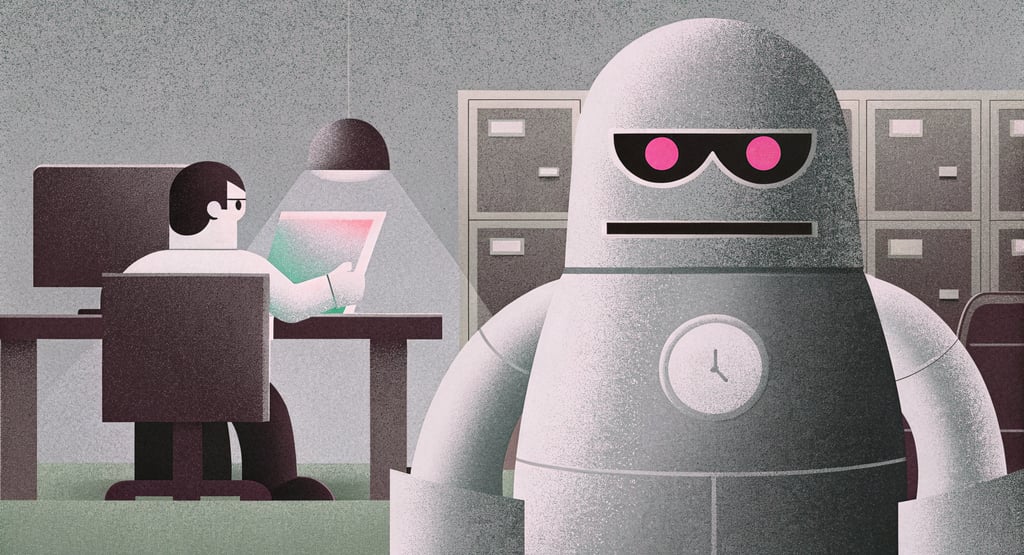

AI just reset the speed of work. And the person who takes the time to think now looks like the delay.
This year Microsoft studied 31,000 knowledge workers and named the result the "infinite workday": its heaviest users were interrupted every couple of minutes, and one in three now calls the last five years' pace unsustainable. The machine did not simply make work faster. It set a new tempo, and everyone around it is quietly expected to keep up.
Consider what that expectation does over time.
Every productivity gain becomes the new floor, not a bonus. So the report that once justified two days is now expected within the hour, because "AI can draft it in ten minutes." Speed stops being an advantage you offer and becomes the baseline you are measured against.
Here is the consequence that rarely gets named.
Inside a system tuned to that tempo, the person who pauses starts to look expensive. They were questioning an assumption. Weighing a consequence. Catching the error before it ships. Yet the faster everything around them runs, the more that necessary pause is read as an unacceptable drag, a delay to be avoided.
𝐉𝐮𝐝𝐠𝐦𝐞𝐧𝐭 𝐠𝐞𝐭𝐬 𝐦𝐢𝐬𝐭𝐚𝐤𝐞𝐧 𝐟𝐨𝐫 𝐥𝐚𝐭𝐞𝐧𝐜𝐲.
That reclassification is a category error, because the pause is not friction to be engineered out. It is exactly where the confident-but-wrong decision gets stopped. Soon every market will be full of output that is fast, polished, and occasionally very wrong. The scarce input will no longer be raw speed. It will be the professional willing to slow down at the right moment…𝙞𝙛 𝙖𝙡𝙡𝙤𝙬𝙚𝙙 𝙩𝙤.
So the real opportunity runs opposite to the instinct. Make 𝐝𝐞𝐥𝐢𝐛𝐞𝐫𝐚𝐭𝐞 𝐭𝐡𝐢𝐧𝐤𝐢𝐧𝐠 a visible step in the workflow, so it reads as the job rather than as lag.
But 𝐰𝐡𝐚𝐭 𝐫𝐞𝐚𝐥𝐥𝐲 𝐝𝐞𝐜𝐢𝐝𝐞𝐬 𝐭𝐡𝐞 𝐨𝐮𝐭𝐜𝐨𝐦𝐞 𝐢𝐬 𝐰𝐡𝐚𝐭 𝐲𝐨𝐮 𝐦𝐞𝐚𝐬𝐮𝐫𝐞. Reward only speed and volume, and every pause gets optimized away by the next review. So 𝐜𝐡𝐚𝐧𝐠𝐞 𝐭𝐡𝐞 𝐦𝐞𝐭𝐫𝐢𝐜, 𝐧𝐨𝐭 𝐣𝐮𝐬𝐭 𝐭𝐡𝐞 𝐰𝐨𝐫𝐤𝐟𝐥𝐨𝐰: stop treating turnaround time as the sole proxy for good work, and start counting the decisions you got right.
Audit the process, not the person: where does your system actually reward getting the decision right over getting it out fast?
#ArtificialIntelligence #FutureOfWork #SystemThinking #HumanJudgment #DecisionMaking
Contact
bruno.gentil@sherpaconsultingasia.com
© 2026. All rights reserved.